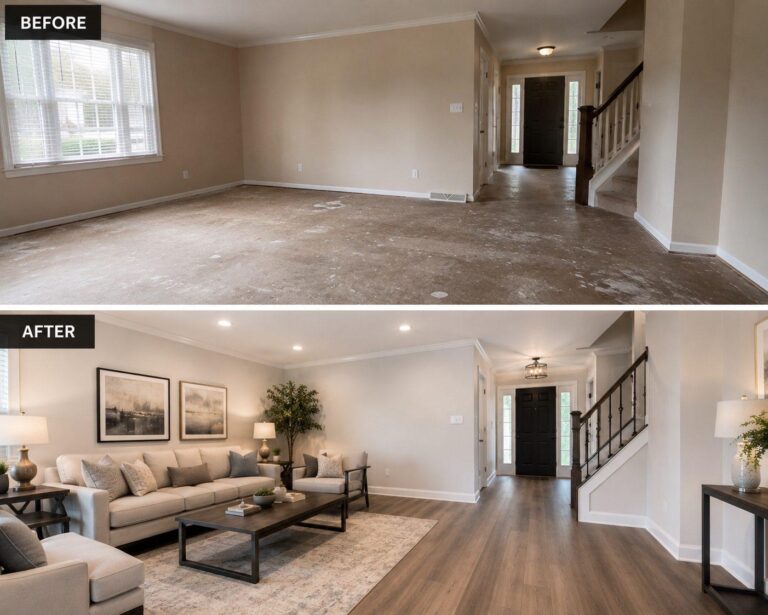
If you’re standing in your living room wondering why the space feels tired even though the walls are freshly painted, look down. New flooring is one of the fastest ways to change how a home feels, and it’s often the upgrade people underestimate the most. As someone who’s spent years walking clients through this exact decision, I can tell you it’s rarely just about looks. It’s about comfort, durability, and how a house actually lives day to day.
This guide walks through what actually matters when you’re planning a flooring upgrade, based on real projects and real client conversations, not just theory.
Why New Flooring Makes Such a Big Difference
Floors cover more visual surface area than almost anything else in a room. Paint colors and furniture come and go, but the floor sets the tone for everything above it.
Beyond looks, flooring affects:
- How the home feels underfoot (cold tile versus warm engineered wood)
- Noise levels between rooms and floors
- Air quality, especially if you’re removing old carpet
- Resale value and buyer first impressions
When we talk to homeowners about home improvement priorities, flooring almost always ranks near the top once they realize how much it touches daily life.
It’s Not Just Cosmetic
A lot of people assume flooring is purely aesthetic, something you pick to match your couch. In practice, it’s structural too. Subfloor condition, moisture levels, and even your home’s foundation settling can all show up as cracked tile, gapping hardwood, or squeaky boards.
Ignoring these signs and just laying new material over old problems is one of the most common mistakes we see, and it almost always costs more to fix later.
Choosing the Right Flooring for Your Space
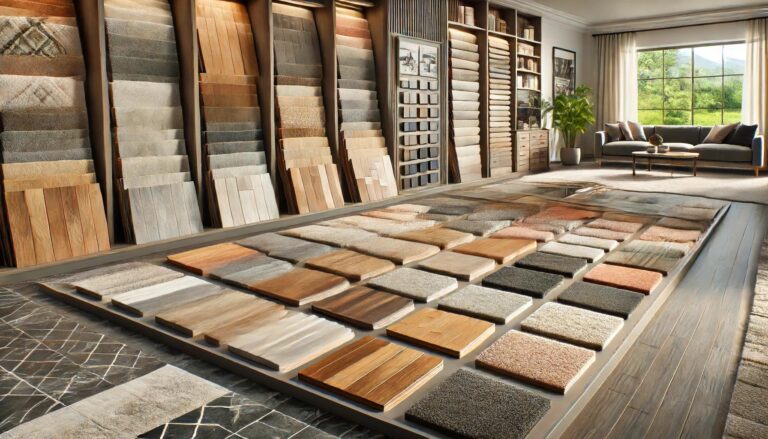
There’s no single “best” flooring. The right choice depends on the room, your lifestyle, and your budget.
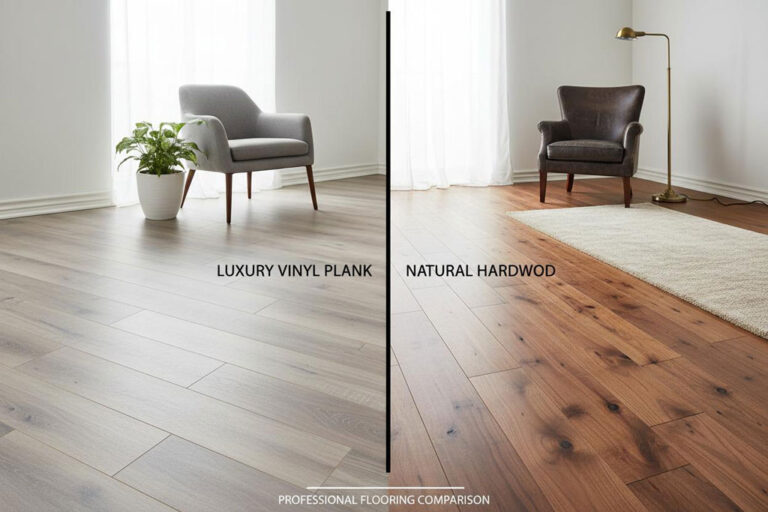
Hardwood: Hardwood adds warmth and long-term value, but it’s not ideal for bathrooms or basements where moisture is a constant issue. It also needs refinishing every decade or so if you want it to keep looking sharp.
Luxury Vinyl Plank (LVP): LVP has become the go-to for busy households. It handles water, pets, and heavy foot traffic well, and modern versions look remarkably close to real wood. For kitchens and entryways, it’s often our first recommendation.
Tile: Tile is unbeatable for bathrooms and mudrooms because of its water resistance. The tradeoff is that it’s hard and cold underfoot, which matters if you have young kids or plan to age in place.
Carpet: Carpet still has its place, especially in bedrooms where sound absorption and softness matter more than durability. Just know it requires more maintenance and doesn’t hold up well in high-moisture or high-traffic zones.
What We’ve Seen in Real Projects
Every flooring project teaches you something, and after enough of them, patterns start to emerge. A few things stand out.
Homeowners underestimate acclimation time. Hardwood and even some LVP products need time to adjust to a room’s humidity before installation. We had a client push to install hardwood the same day it arrived because they were on a tight schedule. Six months later, gaps appeared between the boards because the wood hadn’t adjusted properly. It was avoidable, and it cost them a callback repair.
Subfloor prep gets skipped more often than it should. One project involved a homeowner who wanted to save money by skipping subfloor leveling before installing LVP. Within a year, seams started separating in high-traffic areas. Prep work isn’t the exciting part of the job, but it’s the part that determines whether your new floor lasts five years or twenty.
People often choose based on trends instead of function. We’ve had clients fall in love with a wide-plank matte finish because they saw it on social media, only to realize it shows every scuff and dust particle in a house with three dogs. It still looked great in photos. It just wasn’t practical for their life.
Budget conversations should happen early, not after demo starts. More than once, a client has approved a material choice without realizing the cost of removing old flooring, especially when asbestos testing or subfloor repair gets involved. Being upfront about total cost, not just material price per square foot, saves a lot of stress later.
These lessons are why a good flooring contractor asks a lot of questions before ever showing you a sample board. The right questions prevent expensive surprises.
Practical Tips Before You Commit
A few things worth thinking through before you sign off on any flooring project:
- Get a moisture reading in basements and bathrooms before choosing material
- Ask how long the acclimation period will take and build it into your timeline
- Request leftover material for future repairs, since dye lots change over time
- Compare the full installed cost, not just the price per box at the store
- Think about how the flooring transitions between rooms, especially in open floor plans
None of these steps take much extra time, but skipping them is exactly how simple projects turn into headaches.
How New Flooring Fits Into a Larger Home Improvement Plan
Flooring rarely happens in isolation. It often pairs with other home improvement projects like updated baseboards, fresh paint, or even furniture layout changes. Planning these together, rather than one at a time, usually saves money and avoids redoing work twice.
If you’re already planning a renovation, flooring should be one of the first decisions, not the last. It’s harder to protect finished floors during other construction than it is to install them after the messier work is done.
Final Thoughts
New flooring isn’t just a home improvement task to check off a list. It’s one of the few upgrades that changes how a house feels every single day, from the first step out of bed to the last walk through the kitchen at night.
The homeowners who end up happiest with their flooring aren’t the ones who chose the trendiest option. They’re the ones who took the time to understand their space, asked the right questions, and worked with people who’d tell them the truth even when it wasn’t the easy answer.
If your home has been feeling a little flat lately, don’t underestimate what’s happening right under your feet. Sometimes the smallest looking decision makes the biggest difference in how a house actually feels like home.